
| 1/3 |  |
How is temporary fencing installed and removed? Can I do it myself?
How is temporary fencing installed and removed? Can I do it myself?


Temporary fencing is an essential solution for securing construction sites, public events, private properties, and many other areas where a permanent fence is either not needed or not possible. One of its main advantages is flexibility — it’s designed to be set up quickly, adjusted as needed, and taken down without permanent modifications to the site. But how exactly is temporary fencing installed and removed? Can you do it yourself, or should you leave it to professionals? Let’s take a closer look.
What does a temporary fencing system include?
Before we get into the installation process, it’s important to understand the basic components of most temporary fence systems. These typically include:
-
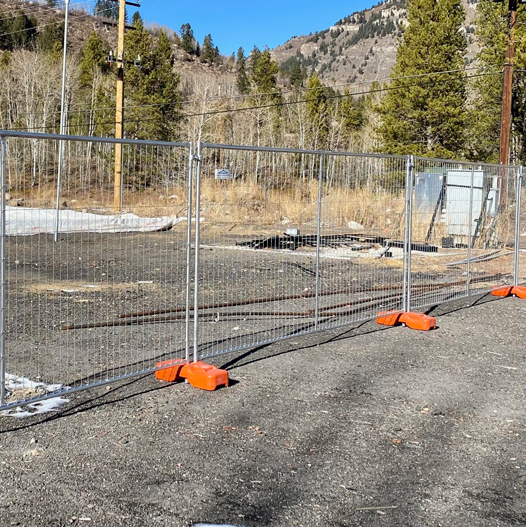
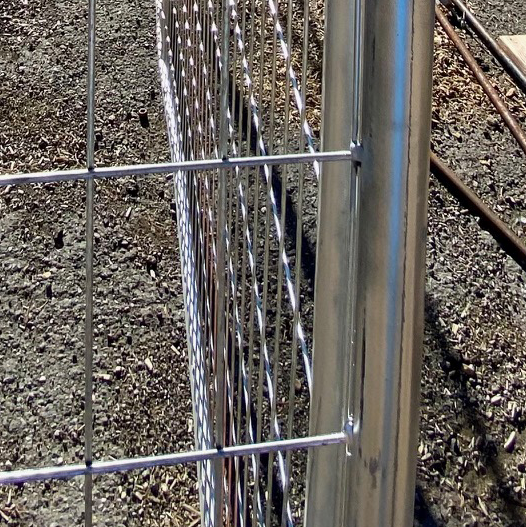
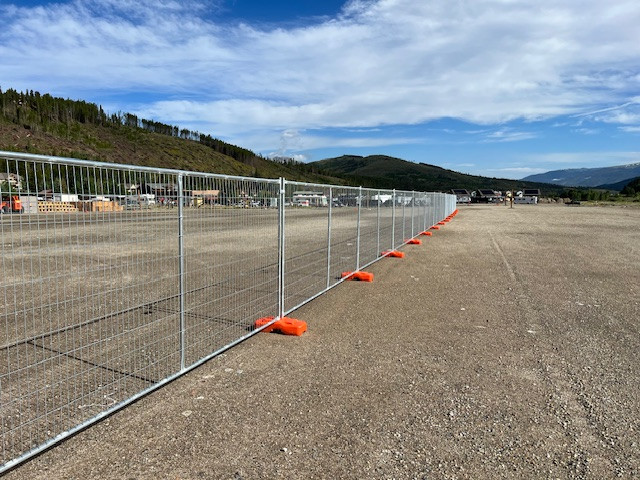
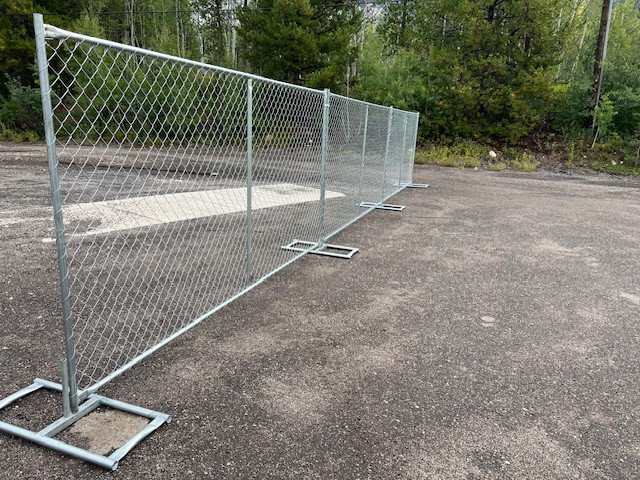
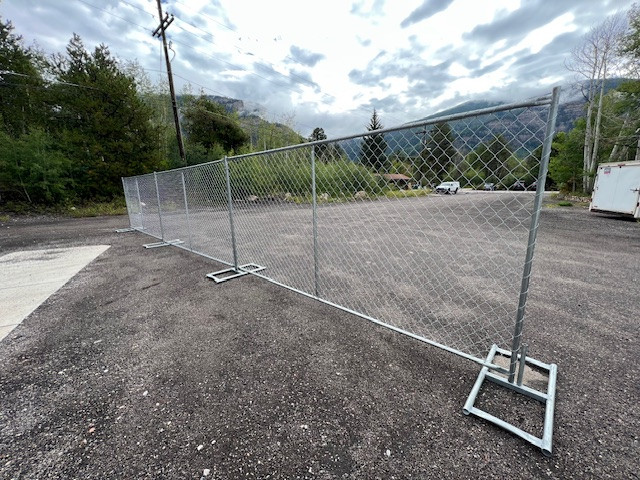
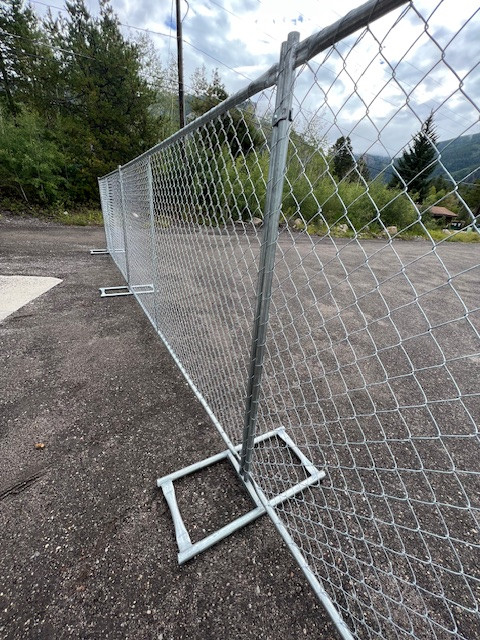
Fence panels – Usually made from galvanized steel or heavy-duty wire mesh. You can buy high-quality fence panels directly from our company – feel free to contact us for more information or a custom quote.
-
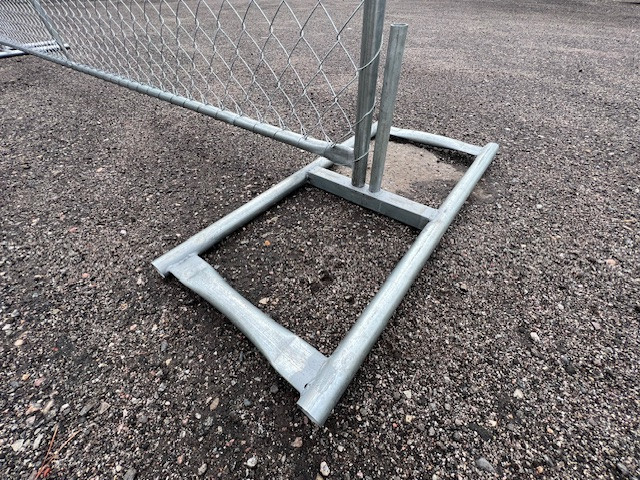
Bases or feet – Sturdy plastic or concrete blocks that hold the panels upright.
-
Clamps or couplers – Used to secure panels together and maintain stability.
-
Optional accessories – Such as bracing, anti-climb features, gates, or privacy screens.
Some systems also include stabilizers, tension wires, or weights, especially for windy areas or longer-term installations.
Installation: step-by-step
Installing temporary fencing is relatively straightforward, especially if you’re working with freestanding modular panels. Here’s a general step-by-step guide:
-
Plan your layout
Measure the perimeter of the area you want to enclose and determine how many panels and bases you'll need. Also plan for access points like gates or entryways. -
Place the fence bases
Lay down the fence feet or blocks at regular intervals according to panel length — typically 2 to 3 meters apart. Ensure they’re stable and positioned on level ground. -
Install the panels
Slot the vertical ends of the panels into the holes or sockets on the fence bases. Most systems are designed for panels to stand upright without additional tools. -
Secure the panels with clamps
Use metal couplers or clamps to connect adjacent panels at the top corners. Tighten them with a spanner or wrench. This adds structural strength and prevents shifting. -
Add support if needed
For windy conditions or long-term use, consider bracing the fence with stabilizers or sandbags to improve resistance to tipping. -
Install gates or accessories
Attach any required access gates or mesh screens. These often come with separate hardware but are installed using the same basic principles.
Can you install it yourself?
Yes — in many cases, temporary fencing can be installed as a DIY project, especially for small or medium-sized applications like garden protection or private property fencing. No special equipment is typically needed, and most systems are designed for tool-free assembly or require only basic hand tools.
However, there are exceptions. For larger construction sites, security-sensitive areas, or installations involving more complex anchoring or stabilization, hiring professionals may be the better option. They can ensure the fence meets safety standards, local regulations, and insurance requirements.
If you need affordable temporary fencing in Colorado, do not hesitate to contact us.
CONTACT USRemoval: just as easy as installation
Taking down temporary fencing is even faster than installing it. Simply:
-
Loosen the clamps and remove the connectors.
-
Lift the panels from their bases.
-
Stack the panels and feet for transport or storage.
Be careful when handling large metal panels — use gloves and always have a second person help if needed. Make sure all hardware is stored safely for future use.
Final tips for DIY users
-
Always wear safety gloves and closed-toe shoes when installing fencing.
-
If the area is sloped or uneven, consider leveling the ground or using adjustable feet.
-
For outdoor installations, check the weather forecast — high winds can be dangerous during installation or if panels are unsecured.
-
Mark your fence line with spray paint or string before starting to ensure accurate positioning.
Conclusion
Temporary fencing is built to be easy and fast to install and remove — and yes, in many cases, you can definitely do it yourself. Just remember to follow safety guidelines, use the right equipment, and don’t hesitate to contact us if your setup is more complex.







If you need professional temporary fencing services in Colorado, do not hesitate to contact us.
CONTACT US


PO Box 4334, Vail Co 81658
Bridgeview IL, 60455

